The wind power industry is changing rapidly
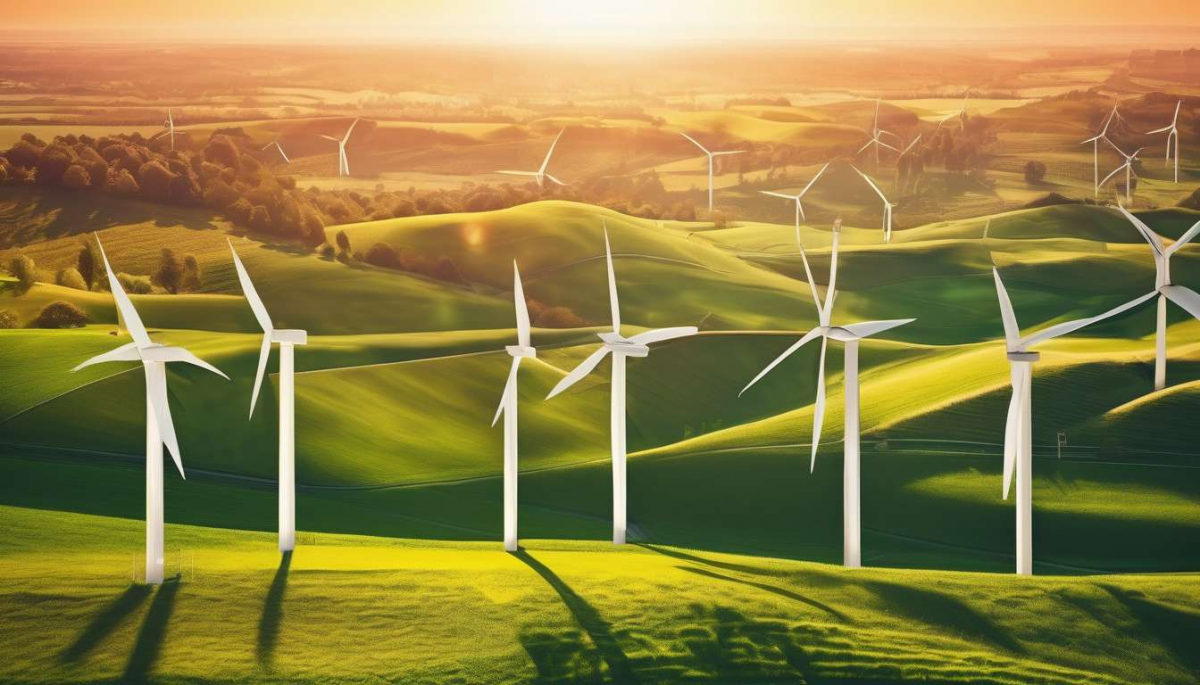
“Embrace the breeze and harness its power” is becoming an anthem in the energy sector as the wind power industry experiences rapid transformation. This domain, traditionally seen as a supplement to conventional power sources, is undergoing significant shifts driven by:
- Technological innovations
- Increased investment
- Policy changes aimed at sustainability
The global pursuit of renewable energy solutions places wind power at the forefront, promising to drastically alter energy landscapes and economies worldwide.
Advancements in Wind Power:
-
Wind turbines are now being manufactured with more advanced materials and designs, allowing them to capture energy more efficiently.
-
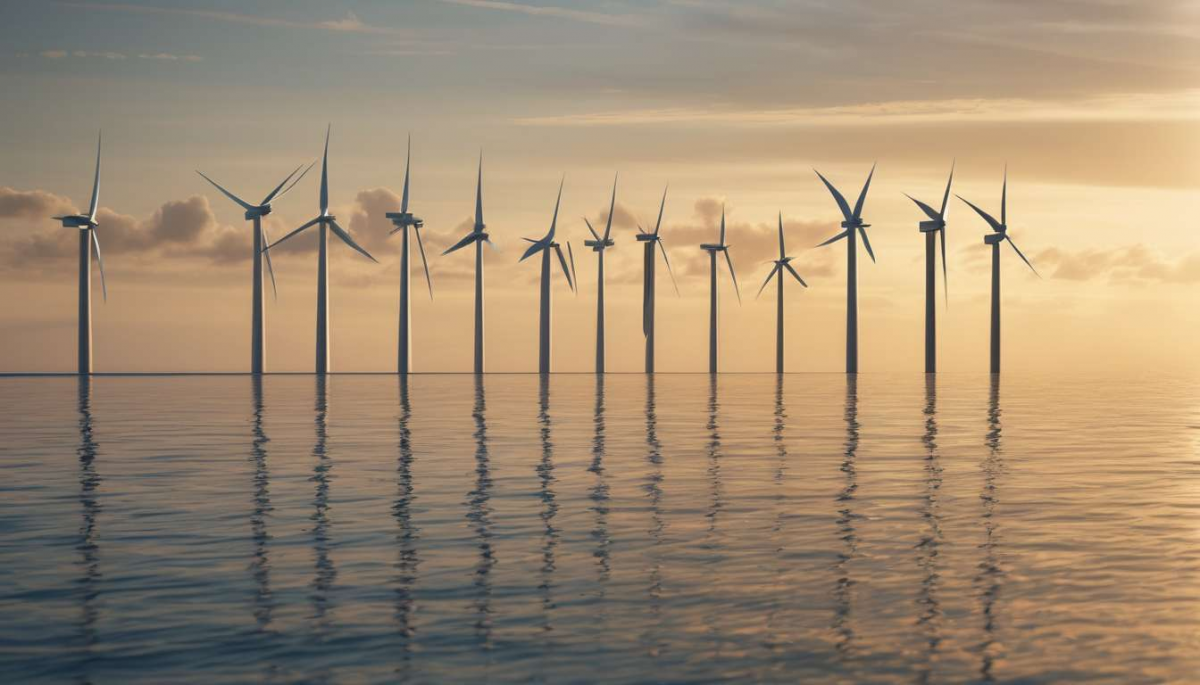
Offshore wind farms are expanding, capitalizing on stronger, more consistent wind patterns at sea.
These developments coincide with growing environmental awareness, pushing the industry to evolve faster than anticipated.
Importance for Stakeholders:
Understanding these changes is crucial for:
- Stakeholders
- Policymakers
- Communities affected by the expansion of wind energy infrastructure
The ongoing evolution in wind power suggests a new era in global energy production.
To navigate this evolving landscape, it’s essential to collaborate with experts who can help optimize wind power strategies and maximize benefits for all stakeholders involved.
Technological Advancements in Wind Power
Recent technological advancements are revolutionizing the wind power industry by enhancing efficiency, reducing costs, and increasing energy output.
Key technologies contributing to these improvements include:
- Advanced turbine designs
- Improved materials
Offshore wind farms have particularly benefited from these innovations. They harness stronger and more consistent winds found over the ocean, leading to increased energy output. This positions offshore wind as a crucial component in the transition to renewable energy sources.
Policy shifts have also played a pivotal role in facilitating these technological advancements. Governments worldwide are implementing supportive policies that encourage the development and adoption of cutting-edge wind technologies.
These policies achieve several goals:
- Create an environment conducive to rapid growth and evolution of the wind power industry.
- Foster collaboration among stakeholders.
- Align incentives with sustainable energy goals.
By ensuring that the industry continues to progress, these policies ultimately contribute to a more sustainable future for all.
Growing Investment in Wind Energy
A surge in global investment is propelling the wind energy sector to new heights, driven by increasing demand for sustainable power solutions. This influx of capital is not only fostering technological advancements but is also expanding the reach and efficiency of wind power infrastructure.
The integration of cutting-edge technology in turbine design and energy storage systems plays a crucial role in enhancing the viability of wind energy projects.
Offshore wind farms, in particular, have become a focal point for investment, capitalizing on stronger and more consistent wind patterns found at sea. These developments offer significant potential for large-scale energy production, contributing to the diversification of energy portfolios.
Policy shifts are further encouraging investment by creating favorable conditions for wind energy expansion, though that will be elaborated in subsequent discussions.
The collective pursuit of greener energy aligns stakeholders in a shared mission to accelerate the transition to a cleaner, more sustainable energy future, fostering a sense of community and shared purpose.
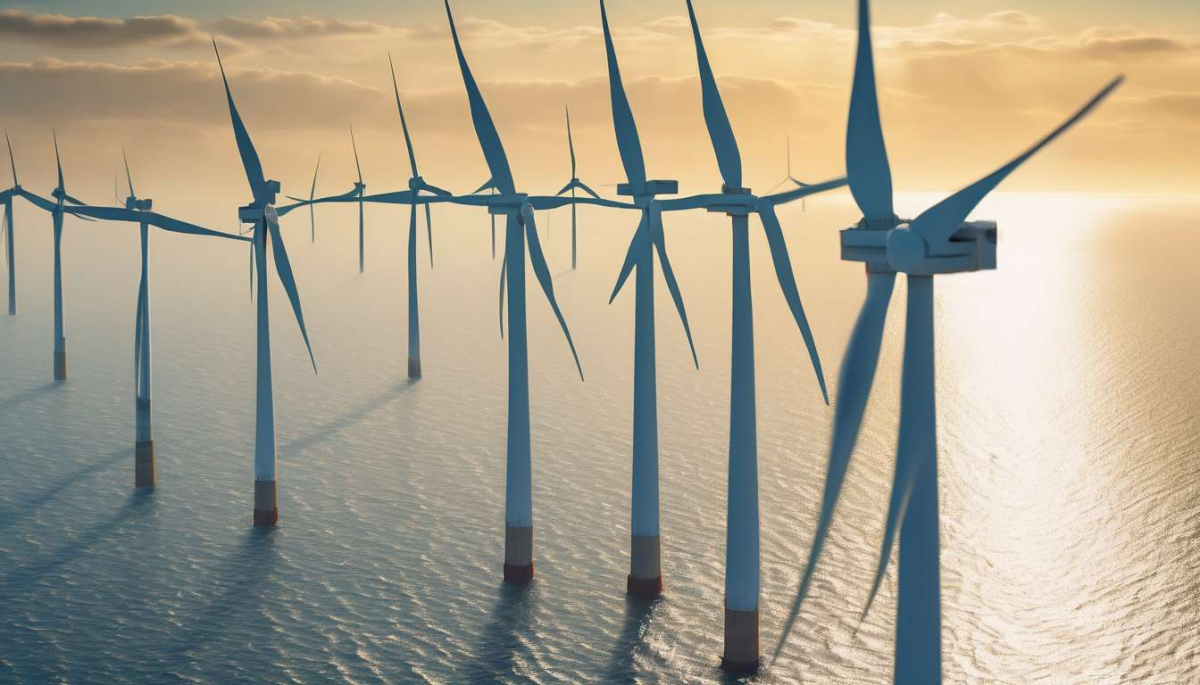
Policy Shifts for Sustainability
Many governments worldwide are enacting new legislation to support the growth of wind energy and ensure a sustainable future. These policy shifts aim to integrate technological advancements into the framework of renewable energy development.
Such legislation encourages investment in cutting-edge technologies that enhance the efficiency and reliability of wind power systems. By fostering innovation, these policies contribute to the overall reduction of carbon footprints and align with global sustainability goals.
A significant focus has been placed on the development and expansion of offshore wind farms. Governments recognize the benefits of harnessing wind energy in offshore locations due to:
- Higher wind speeds
- Reduced land use conflicts
Policies are being crafted to:
- Expedite permitting processes
- Provide incentives for offshore projects
This strategic approach not only boosts the renewable energy sector but also provides economic opportunities and job creation. It reinforces a sense of community and shared purpose in the transition towards a sustainable energy future.
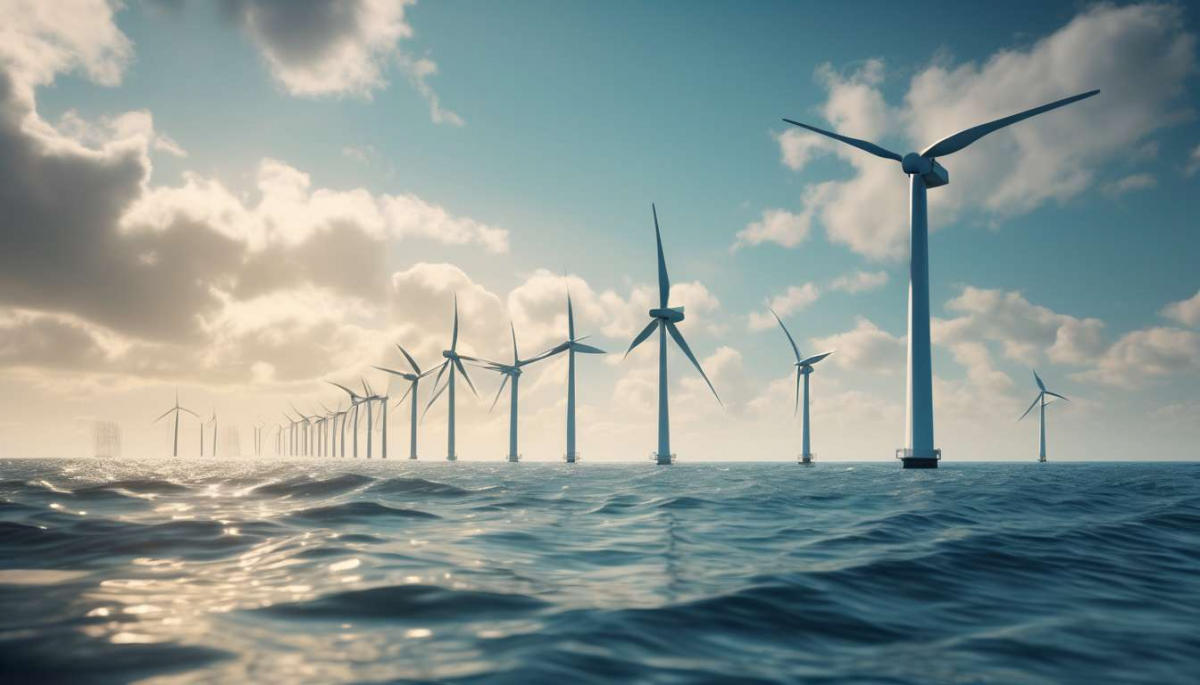
Expansion of Offshore Wind Farms
Rapid growth in offshore wind capacity is transforming the renewable energy landscape by harnessing powerful oceanic winds more efficiently. Offshore wind farms are becoming pivotal in the transition towards sustainable energy solutions, enabled by significant technological advancements.
These advancements include:
- Improved turbine designs
- Enhanced grid integration
- Innovative installation techniques
All these factors contribute to increased efficiency and reduced costs. The collaborative efforts of nations and industries to drive these innovations demonstrate a collective commitment to a sustainable future.
Policy shifts have further accelerated the expansion of offshore wind farms. Governments are increasingly:
- Offering incentives
- Streamlining approval processes
- Setting ambitious targets for renewable energy
Such measures create a supportive environment that fosters investment and development in offshore wind projects.
The synergy between technological progress and policy initiatives is vital for the widespread adoption of offshore wind energy. As these farms expand, a global community emerges, unified in the mission to achieve cleaner energy and a more sustainable planet.
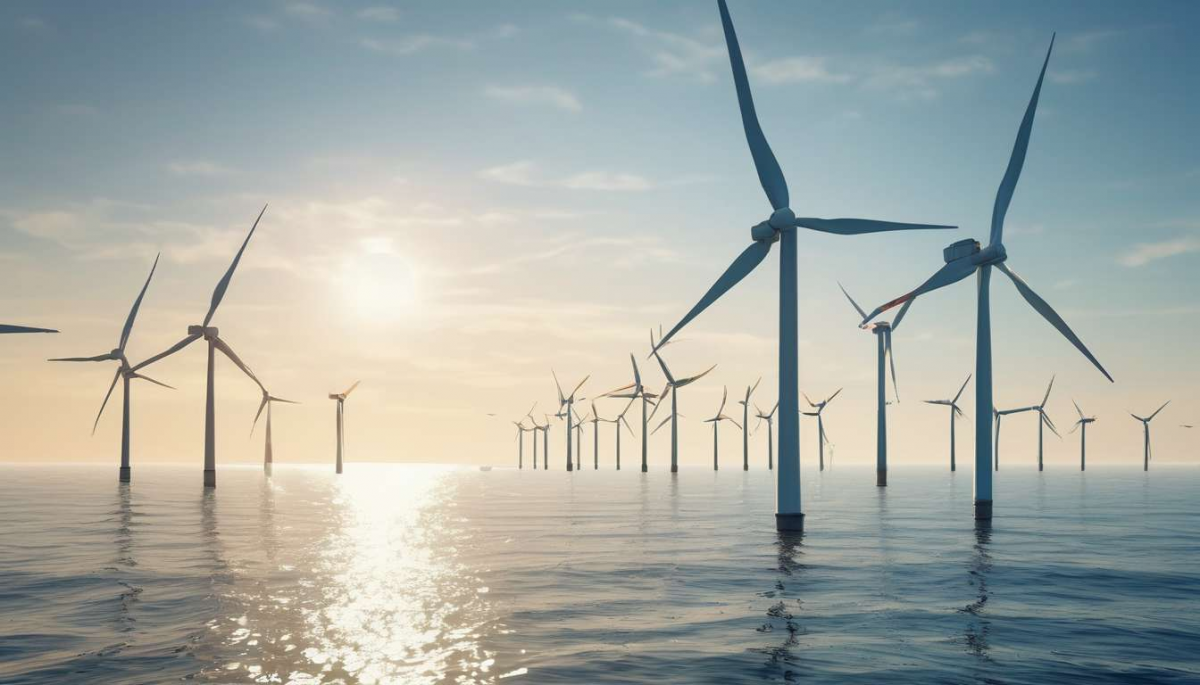
Impact on Global Energy Landscapes
The rapid expansion of wind power is reshaping global energy landscapes by:
- Diversifying energy sources
- Reducing reliance on fossil fuels
Technological advancements have significantly increased the efficiency and capacity of wind turbines, making them a more viable and competitive source of energy.
Offshore wind farms have emerged as crucial players in this transformation due to:
- Stronger and more consistent wind patterns found at sea
- Vast potential for energy generation
These developments have encouraged nations to revise their energy policies, leading to substantial policy shifts that prioritize renewable energy integration.
The transition to wind energy contributes to:
- Global decarbonization efforts
- Energy independence and security
Community benefits include:
- Creation of local jobs in the wind industry
- Strengthened economic resilience
Global collaboration is enhanced by:
- Developing shared infrastructure
- Fostering a sense of global unity
As the wind power industry advances, it underscores the collective commitment to a sustainable energy future, ensuring a more inclusive and sustainable world.
Importance of Understanding Wind Industry
A comprehensive understanding of the wind industry is essential for stakeholders to navigate its complexities and capitalize on its growth opportunities.
Technological Advancements
The sector is characterized by rapid technological advancements, which have facilitated increased efficiency and reduced costs. These innovations include:
- Improved turbine designs
- More effective energy storage solutions
These advancements enhance the overall viability of wind power as a sustainable energy source.
Offshore Wind Farms
The development of offshore wind farms has opened new frontiers, allowing for the harnessing of stronger and more consistent wind resources found at sea. Such advancements have significantly contributed to the expansion of wind energy’s role in global energy portfolios.
Policy Shifts
Policy shifts further underscore the importance of industry comprehension. Governments worldwide are implementing regulations and incentives to promote renewable energy adoption, directly impacting market dynamics.
Staying informed about these policy changes enables stakeholders to:
- Make strategic decisions
- Ensure alignment with regulatory frameworks
- Maximize investment returns
Together, these elements form a critical foundation for understanding and thriving within the evolving wind industry landscape.